Binoculars · Choose by your needs
Waterproof 10x binoculars: field width versus a longer stated limit
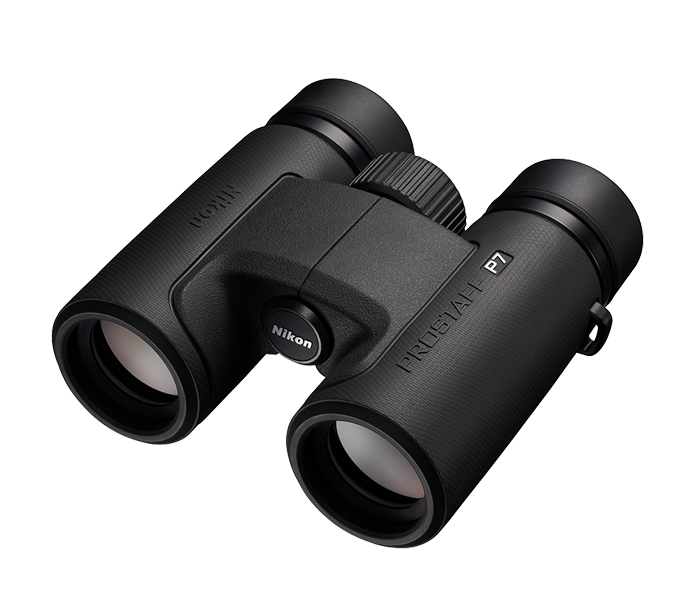
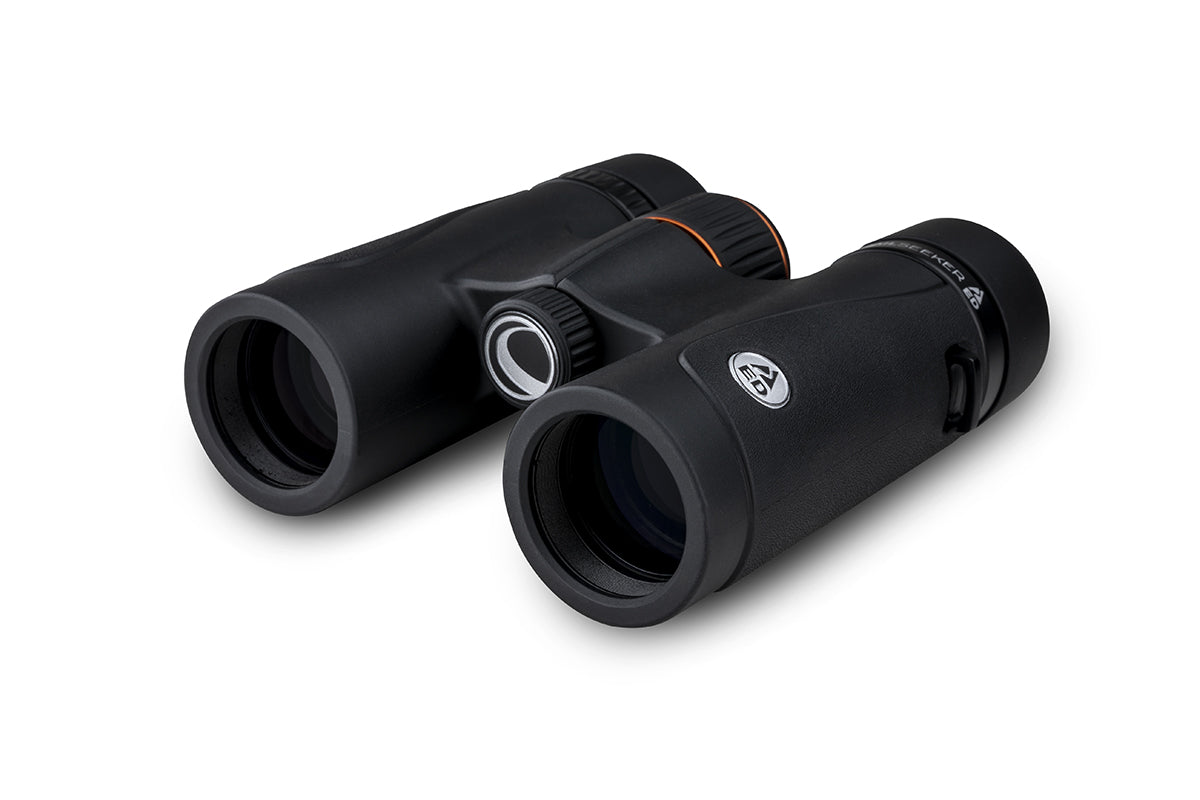
For a 10x waterproof binocular that is a little lighter and publishes the broader field, consider the Nikon PROSTAFF P7 10x30: 16.6 oz, 6.6°, and a 1 m / 10 minute rating. The Celestron TrailSeeker ED 10x32 lists a 1 m / 30 minute rating and confirmed ED glass, but weighs 1 oz more and publishes a 6.2° field. Neither rating makes either model an underwater-use binocular.
- The answer holds the requested 10x configuration and manufacturer-listed waterproof condition. Other qualifying models remain available through the finder.
- These examples follow the questionnaire's default focus on current models. Choose “include earlier models for comparison” if you want to add the catalogued earlier candidates.
- A model's published immersion limit is not permission for underwater viewing, and seller-added bundles can differ from manufacturer package lists.
- The weights below are manufacturer-listed instrument weights, not packed-kit weights.
Comparison updated 29 October 2026.
Decide which published difference is useful to you
The P7 10x30 publishes a 6.6° field and 16.6 oz listed instrument weight; the TrailSeeker ED 10x32 lists 6.2° and 17.6 oz. Celestron gives a longer specified water-protection duration, 30 rather than Nikon's 10 minutes, and confirms ED glass for its exact ED variant. Those details explain why a shopper may choose one configuration over another, but do not establish a sharpness, brightness or durability ranking.
A water rating has limits
Nikon's manual sets the P7 10x30 limit at 1 m for up to 10 minutes and cautions against underwater use. Celestron lists the TrailSeeker ED 10x32 as IPX7 at 1 m for 30 minutes. These are protection specifications for the listed configurations, not permission to use binoculars for underwater viewing or to exceed their stated conditions.
Questions that change the choice
Which example is lighter?
The Nikon PROSTAFF P7 10x30 is listed at 16.6 oz; the Celestron TrailSeeker ED 10x32 is 17.6 oz. Those figures cover the instrument, not a packed carrying kit.
Which publishes a wider field?
The P7 10x30 lists a 6.6° real field (346 ft at 1,000 yd), compared with 6.2° (326 ft at 1,000 yd) for the TrailSeeker ED 10x32. A field specification is not a quality ranking.
Can either be used to observe underwater?
No. A limited immersion rating is not an underwater-viewing endorsement. Nikon expressly warns that the P7 is not intended for underwater use; Celestron's IPX7 specification describes a finite protection condition, not an underwater operating plan.
Sources for the comparison