Binoculars · Choose by your needs
Waterproof binoculars under 20 ounces: compare carry and focus tradeoffs
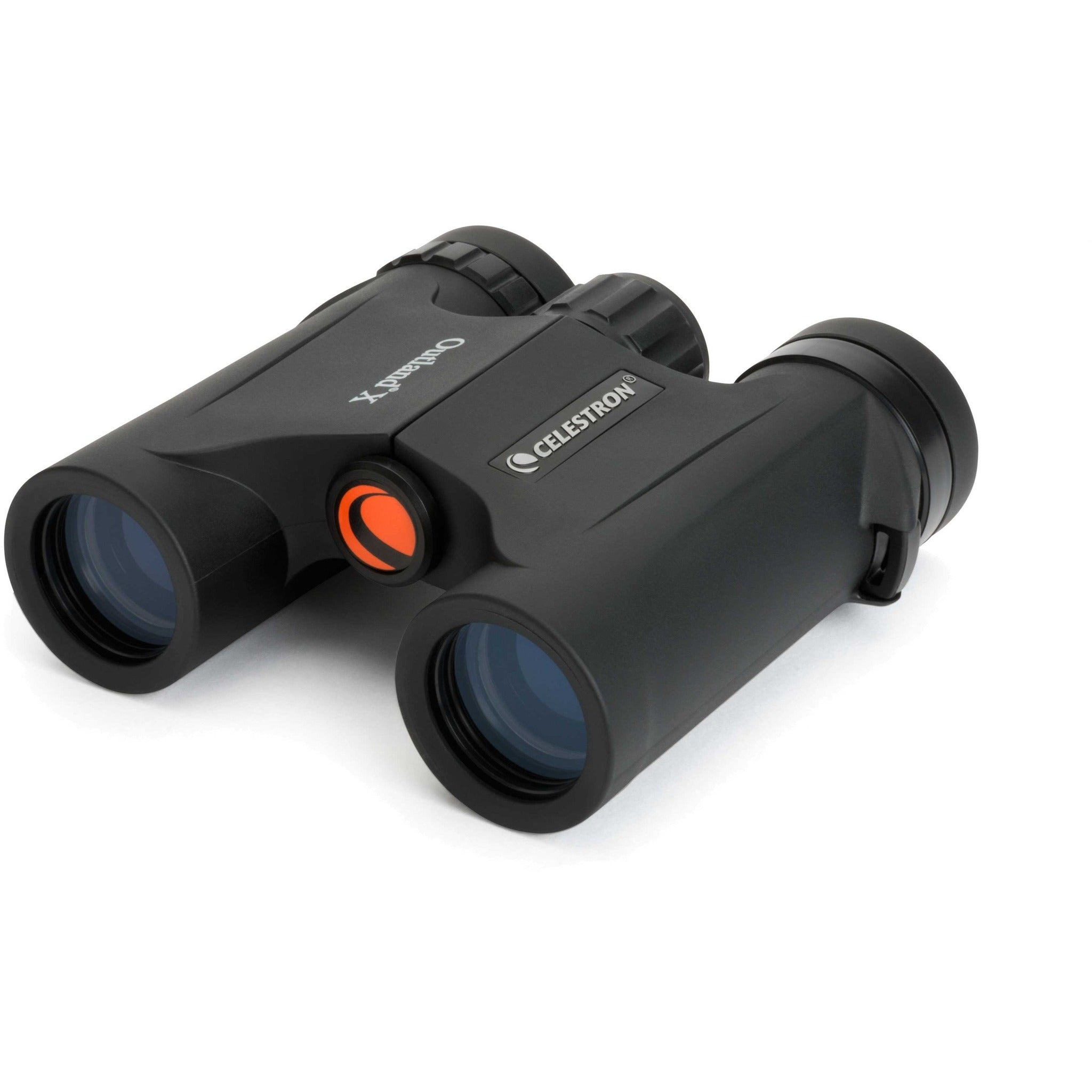
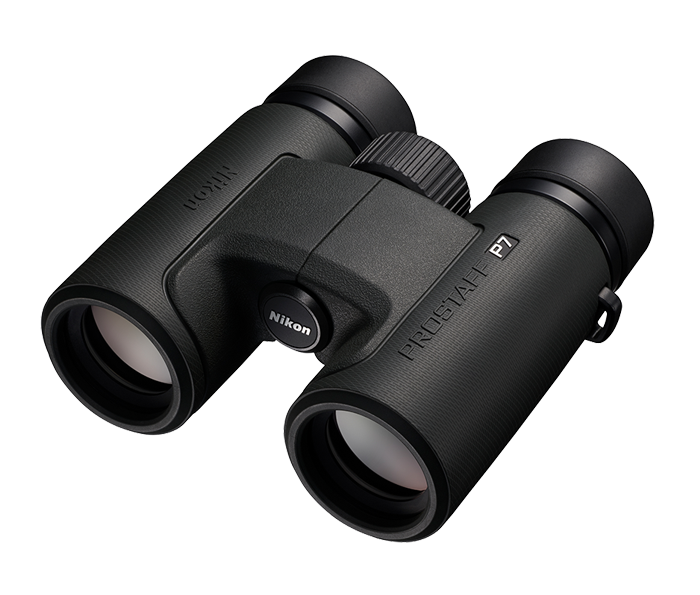
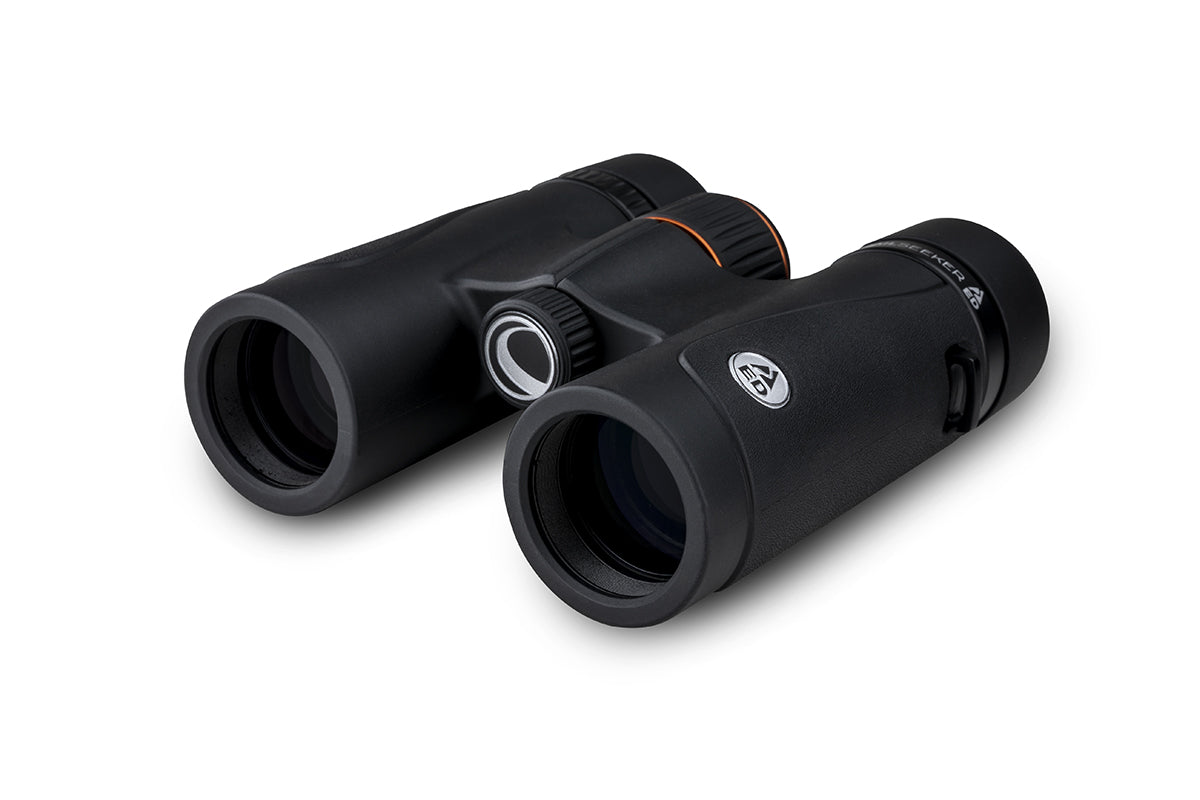
With waterproofing required and a 20 oz ceiling on the instrument itself, the Celestron Outland X 8x25 is a compact 11.5 oz example, but its close-focus specification is 16.4 ft and no immersion depth or duration is stated. If quantified water protection matters more, the Nikon PROSTAFF P7 8x30 is 17.1 oz with a 1 m / 10 minute limit; the Celestron TrailSeeker ED 10x32 is 17.6 oz with a 1 m / 30 minute IPX7 limit. None is an underwater-use binocular, and cases or straps are outside this weight ceiling.
- The 20 oz limit is applied to the manufacturer's listed instrument weight, not the packed binocular, case, strap or other carry gear.
- Waterproofing is a hard condition. A missing immersion depth or duration is unknown, not proof of a negative capability; do not use a protection rating as an underwater-viewing instruction.
- All other exact models meeting both submitted conditions remain in the finder results. The examples below show different power, field, focus and rating choices rather than a complete ranked list.
- These examples follow the questionnaire's default focus on current models. Choose “include earlier models for comparison” if you want to add the catalogued earlier candidates.
Comparison updated 29 October 2026.
Decide whether mass, close focus or a quantified limit is decisive
The Outland X 8x25 is lighter in the published specifications, but its 16.4 ft close focus is substantially farther than the 8.2 ft figures for both the P7 8x30 and TrailSeeker ED 10x32. The P7's field is 8.7° versus the Outland X's 8.2°; the 10x32 TrailSeeker ED lists a narrower 6.2° field. These example differences may suit different subjects and handling preferences, but they are not a ranking of optical quality.
Keep the weight and water terms narrow
The 20 oz question concerns published instrument weight only, so straps, caps, cases and other equipment add to the carried load. The Outland X page states waterproofing without a numeric immersion depth or duration; the Nikon P7 8x30 states 1 m for up to 10 minutes, while the TrailSeeker ED 10x32 lists IPX7 at 1 m for 30 minutes. The Nikon manual and Celestron's published protection notes do not make these models underwater-viewing equipment.
Questions that change the choice
Is 20 oz the packed weight?
No. The questionnaire limit is the manufacturer's listed weight for the binocular itself. A case, strap, lens covers and personal accessories add to what you carry.
Which featured model focuses closest?
Both the Nikon PROSTAFF P7 8x30 and Celestron TrailSeeker ED 10x32 list 8.2 ft close focus. The Outland X 8x25 lists 16.4 ft, so it is not the example to choose when a near subject is decisive.
Does the longest immersion duration make the TrailSeeker a better binocular?
No. The 30-minute specification describes a water-protection limit, not overall performance or image quality. It does not establish underwater viewing, and a different model may suit your power, field, focus or carry needs better.
Sources for the comparison