Binoculars · Choose by your needs
Waterproof binoculars: what the exact-model rating does and does not establish
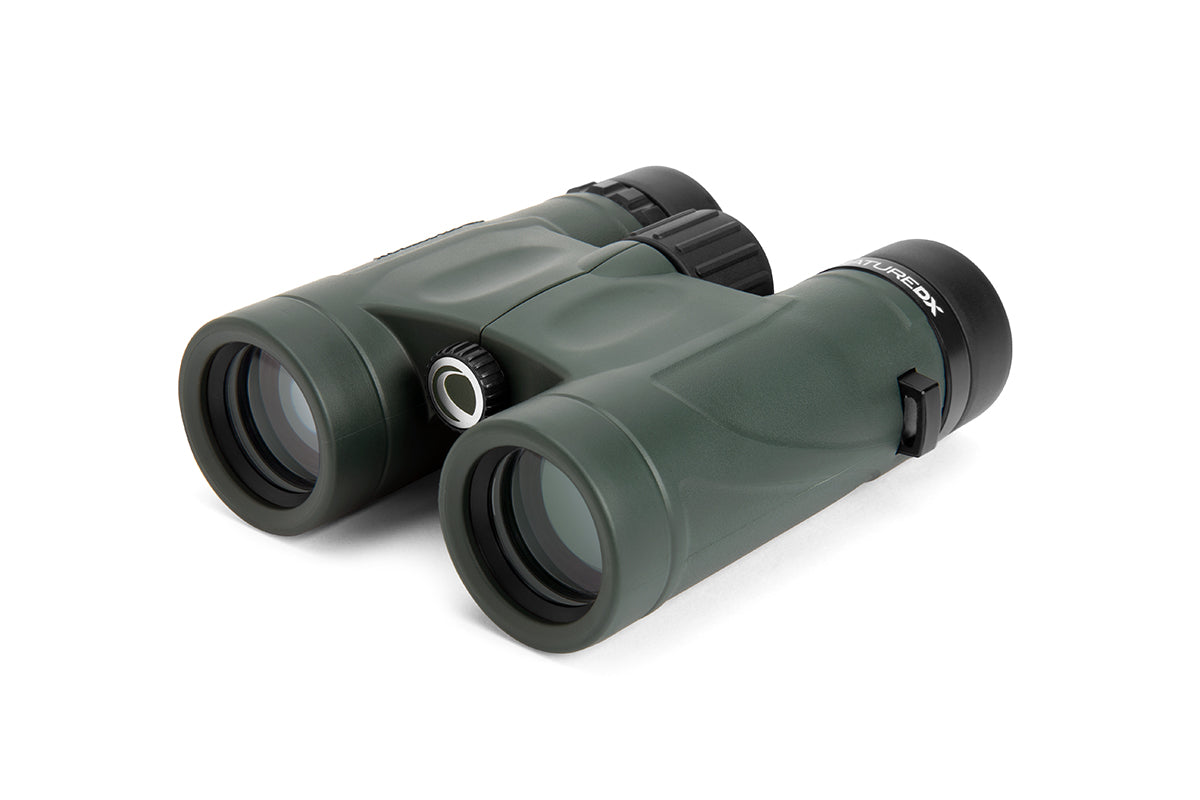
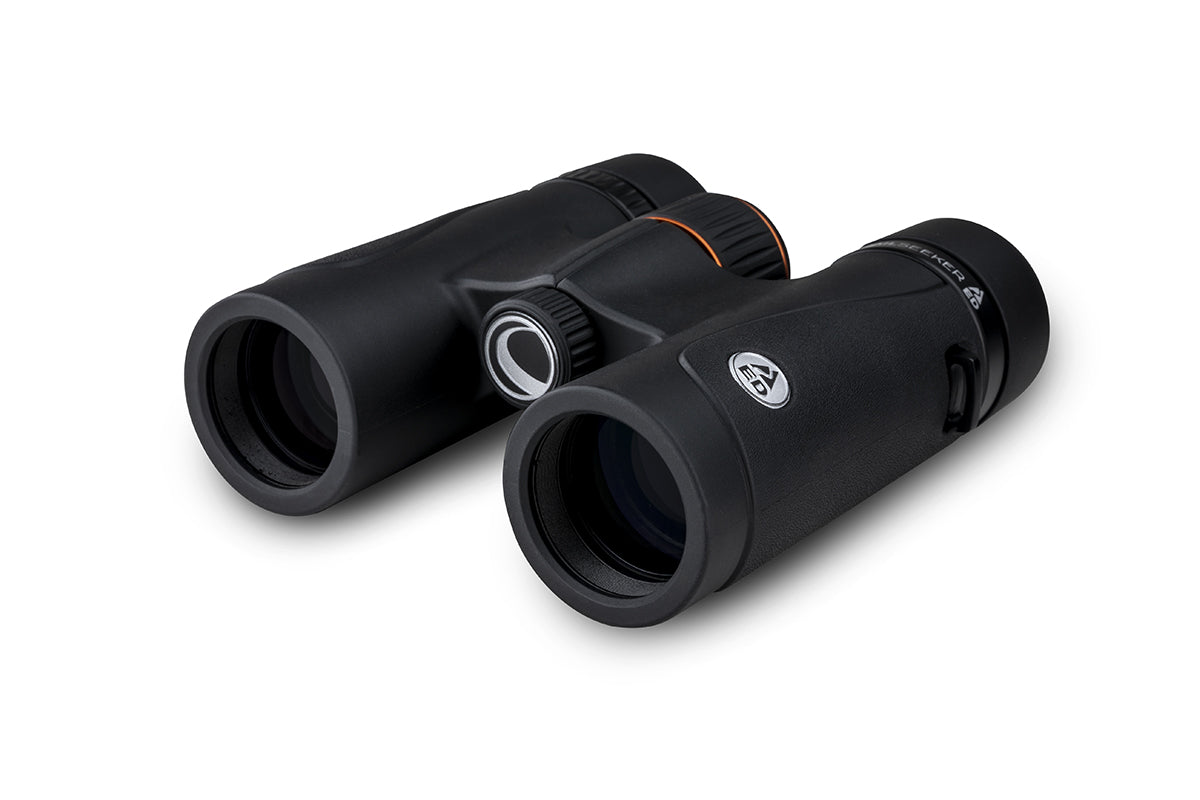
If you want a numeric water-protection limit rather than only a waterproof label, the Celestron TrailSeeker ED 10x32 publishes IPX7 at 1 m for 30 minutes. The Celestron Nature DX 8x32 is also listed as waterproof, but its reviewed exact page gives no depth or duration. Choose between them only after the difference in power and field fits your use; neither specification is a recommendation to view underwater or to exceed its stated conditions.
- The full finder condition is waterproofing required, with no imposed magnification, objective or weight limit. Every exact matching model remains available in the finder.
- The examples distinguish a general waterproof claim from an exact numeric limit; absent depth or time information remains unknown rather than a negative capability.
- These examples follow the questionnaire's default focus on current models. Choose “include earlier models for comparison” if you want to add the catalogued earlier candidates.
- A water-protection specification is not an image-quality ranking or a promise of suitability for underwater viewing.
Comparison updated 29 October 2026.
The word waterproof is not a single numeric test
For this exact pair, Celestron identifies both as waterproof, but publishes a numeric IPX7 limit only for the TrailSeeker ED 10x32. The Nature DX 8x32 page does not state a submersion depth or duration. That evidence gap is not a finding that the Nature DX fails in water; it means the depth and time are not established by the cited model page.
Set power and field before treating the models as interchangeable
The Nature DX is an 8x32 with a published 7.4° real field, while the TrailSeeker ED is a 10x32 with a published 6.2° field. Those numbers show different framing alongside the different protection detail. Pick the power and field that suit your use; do not infer optical quality from the waterproof label, the IP code or the objective diameter.
Questions that change the choice
Is the TrailSeeker ED safe to use as underwater-viewing equipment?
The supplied manufacturer specification establishes only an IPX7 limit of 1 m for 30 minutes; it does not establish underwater viewing as an operating use. Do not exceed the exact stated condition or treat it as permission for stronger pressure or deeper immersion.
Does the Nature DX's unquantified waterproof claim mean it is not waterproof?
No. Celestron lists the exact Nature DX 8x32 as waterproof. The reviewed exact page simply does not state a depth or duration, so those values are unknown rather than a confirmed failure.
Do both models show the same real field?
No. Celestron lists 7.4° for the Nature DX 8x32 and 6.2° for the TrailSeeker ED 10x32. These fields refer to the exact configurations and should be compared alongside power and use, not as a quality score.
Sources for the comparison