Binoculars · Choose by your needs
Waterproof 8x binoculars: compare field, fit and rating detail
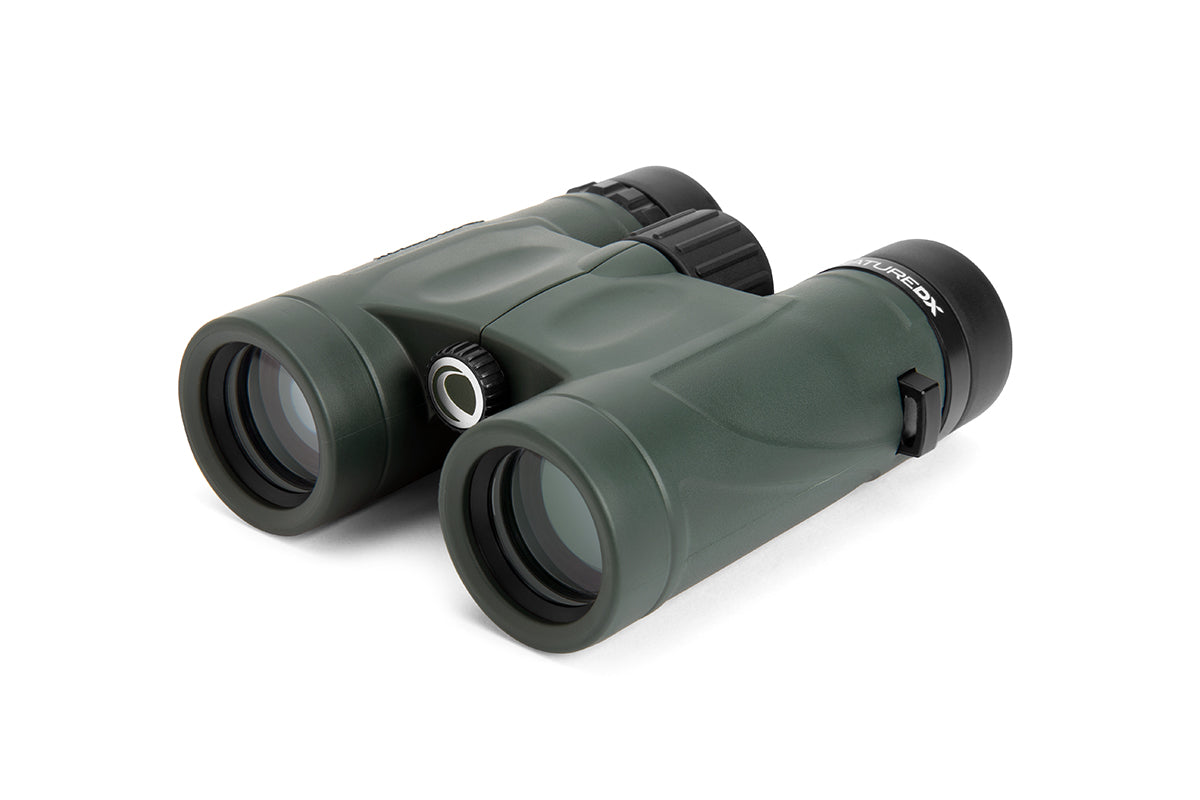
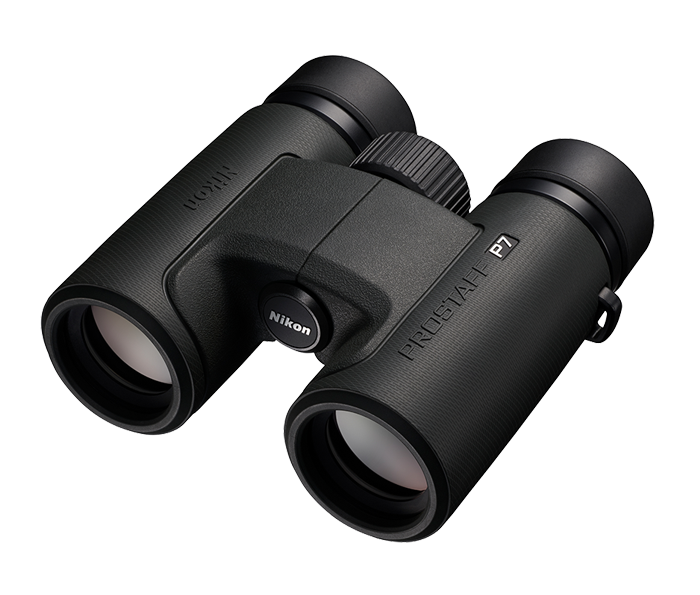
For an 8x waterproof binocular with a stated immersion limit, consider the Nikon PROSTAFF P7 8x30: it is listed at 17.1 oz with an 8.7° field and a 1 m / 10 minute rating. If longer stated eye relief and closer focus matter more, the Celestron Nature DX 8x32 lists 17.5 mm eye relief and 6.5 ft close focus, but no immersion depth or duration is stated. Both carry a manufacturer waterproof claim; neither is an underwater-use instrument.
- The comparison preserves the exact 8x and waterproof-required conditions. The finder can still show every model that matches those conditions.
- These examples follow the questionnaire's default focus on current models. Choose “include earlier models for comparison” if you want to add the catalogued earlier candidates.
- Manufacturer-listed instrument mass is not the weight of a packed kit, and a waterproof claim is not permission for underwater observation.
- A published eye-relief number is a specification, not a guarantee that glasses or a particular face will see the full field.
Comparison updated 29 October 2026.
The field and fit comparison is not a quality ranking
At the same fixed 8x power, the P7 8x30 publishes a wider real field than the Nature DX 8x32 (8.7° rather than 7.4°) and weighs 0.9 oz less. The Nature DX publishes 2.1 mm more eye relief and a 6.5 ft close-focus distance compared with the P7's 8.2 ft. These published differences can help narrow a fit or framing choice; they do not establish sharper optics or a universally more comfortable view.
Read water protection at the exact stated level
Nikon's family manual specifies the P7 8x30 to 1 m for up to 10 minutes and says it is not intended for underwater use. Celestron calls the exact Nature DX 8x32 waterproof, but the reviewed exact page does not provide a depth or duration. Treat the numeric limit and the unquantified claim as different levels of published detail, not as permission to submerge either binocular.
Questions that change the choice
Does a waterproof 8x binocular count as an underwater viewing instrument?
No. A weather-protection claim or a brief immersion limit does not establish underwater viewing use. The Nikon manual explicitly says the P7 is not intended for underwater use, and the Nature DX page gives no depth or duration for its waterproof claim.
Which of these two publishes the wider real field?
Nikon lists 8.7° (456 ft at 1,000 yd) for the P7 8x30; Celestron lists 7.4° (388 ft at 1,000 yd) for the Nature DX 8x32. This is a field-of-view comparison, not an image-quality judgment.
Do the eye-relief numbers guarantee a full field with glasses?
No. The Nature DX's stated 17.5 mm and the P7's 15.4 mm are specifications only. Try the exact binocular with the intended glasses and eyecup position when possible.
Sources for the comparison