Binoculars · Choose by your needs
Choosing a 7x binocular by viewing setup
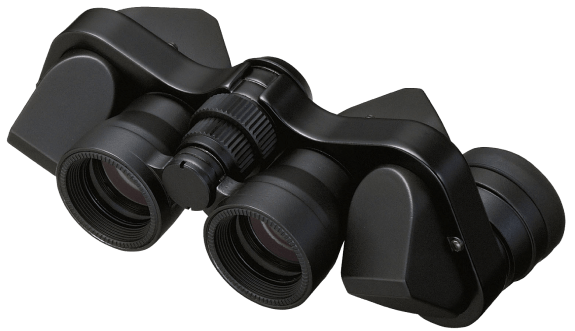
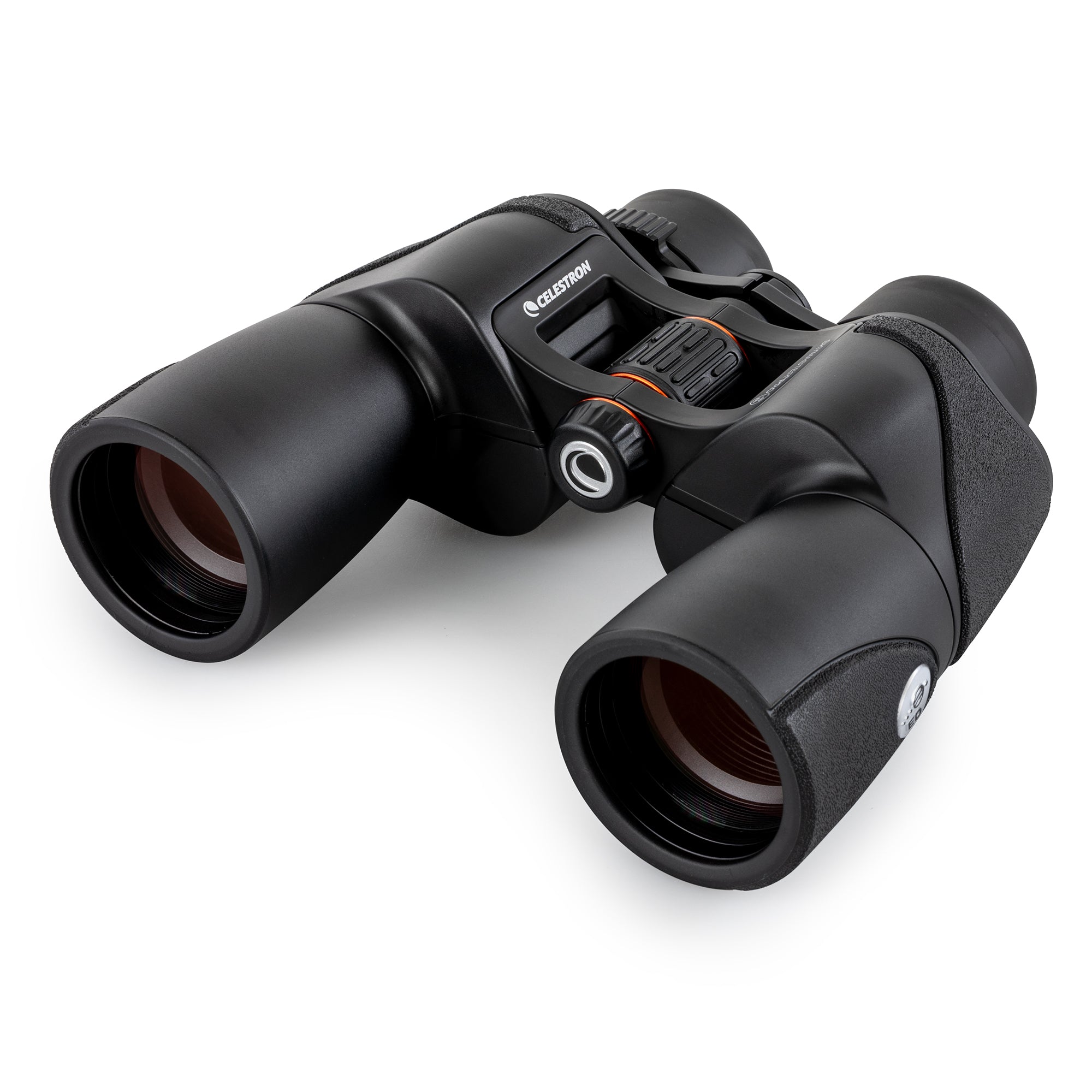
For 7x, decide first whether you mean a pocket-size handheld or a supported large-objective instrument. The Nikon MIKRON 7x15 weighs 4.7 oz and lists a 7.0° real field; the Celestron SkyMaster Pro ED 7x50 lists 7.8° and weighs 44.3 oz, with standard astronomy-filter compatibility. They share 7x magnification but solve different carry and setup problems; the Celestron's tripod adapter is separate, and the MIKRON's closest-focus sources conflict.
- Fixed 7x magnification; ordinary viewing, not direct solar use.
Comparison updated 29 October 2026.
A single power can cover two very different bodies
The 7x field spans miniature pairs and astronomy-oriented instruments. The MIKRON's 15 mm objectives and 4.7 oz listed mass suit carry-first use; the 50 mm SkyMaster Pro ED is a much larger supported setup with standard 1.25-inch filter threads. The 7.0° and 7.8° real-field figures are close, so objective size does not mean the larger model necessarily frames a wider scene.
Check focus and support before choosing the 50 mm format
The MIKRON's exact page conflicts between a 2 ft table value and descriptive copy saying 6.5 ft, so its closest focus is not established. The Celestron model lists 26.2 ft close focus and requires a separately purchased tripod adapter; the tripod itself is also separate. Its astronomy filter threads support a different workflow from ordinary handheld scanning and are not a solar filter.
Questions that change the choice
Which 7x example is easier to carry?
The Nikon MIKRON 7x15 is listed at 4.7 oz, compared with 44.3 oz for the Celestron 7x50. Instrument weight does not include a separate tripod or adapter.
Does the Celestron 7x50 include its tripod adapter?
No. The exact manufacturer FAQ says the required adapter is sold separately. A tripod is not listed as included either.
Can either 7x configuration focus very close?
The MIKRON's exact-page close-focus statements conflict, so its value is unresolved. The Celestron Pro ED table lists 26.2 ft. Neither figure should be generalized to another model.
Sources for the comparison