Binoculars · Choose by your needs
Binoculars with a wide apparent field of view
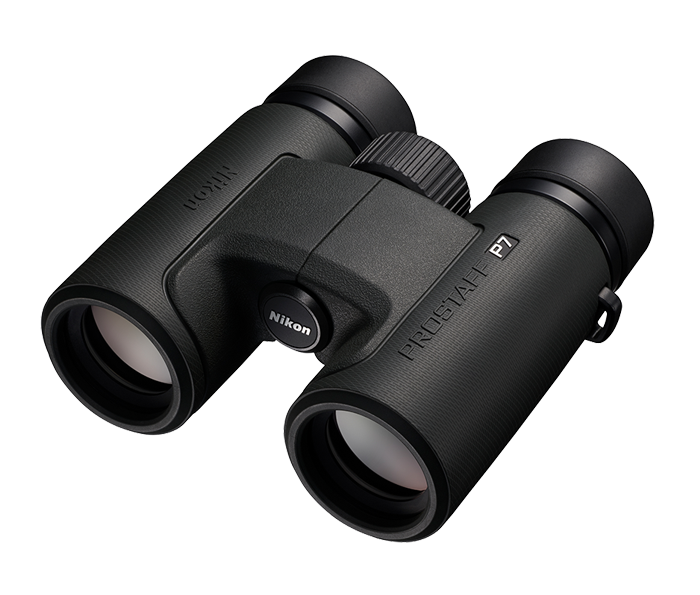
If a wide apparent eyepiece view is your priority, use the 60° apparent-field threshold and check real field separately. Nikon's PROSTAFF P7 8x30 publishes 62.6° apparent and 8.7° real field; the Maven B.5 18x56 MIL publishes 66.6° apparent but only 3.7° real field. Both meet the apparent threshold, yet their actual scene coverage is very different.
- The apparent-field boundary is at least 60°. A stated 60.0° apparent field meets the condition; an apparent-field number is not a real-scene threshold.
- The P7 and B.5 examples illustrate why both numbers matter: apparent field describes the eyepiece view; real field describes scene width.
- This option alone does not require a reticle, fixed power, objective size, weight or a real-field minimum.
Comparison updated 29 October 2026.
An apparent field is not a scene-width guarantee
Both examples exceed the 60° apparent threshold, but the P7's published 8.7° real field is more than twice the B.5's 3.7° real field. A wider apparent field can feel expansive at the eyepiece without showing a broader landscape. If you want a larger actual scene, the wide-real option uses a different threshold and set of candidates.
Do not add a reticle requirement by inference
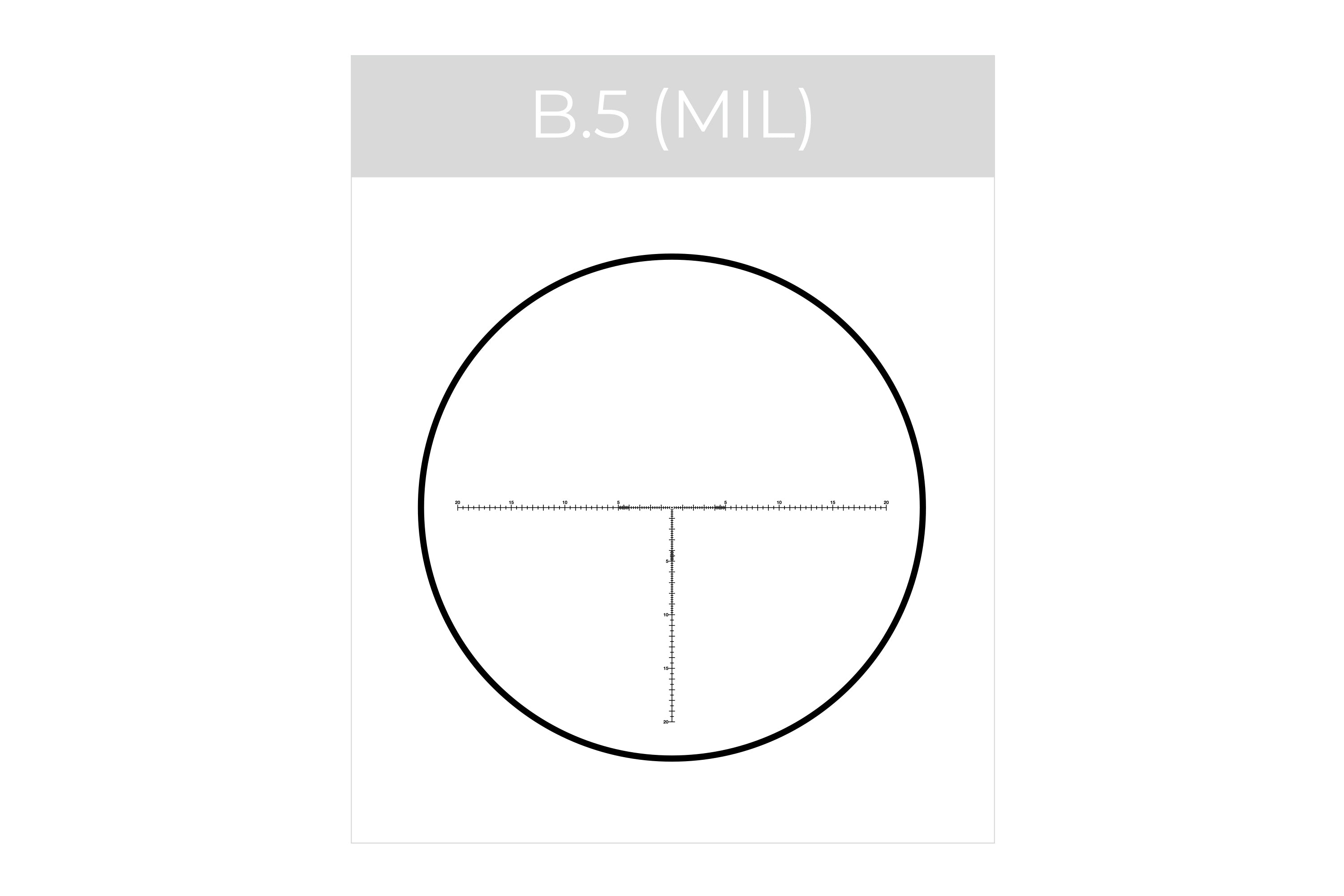
The Maven example has an MIL manual ranging reticle, but that feature is incidental to this apparent-field choice. This page does not require reticle-based ranging. The exact reticle-specific articles explain its unit, use and support limits if those matter to your workflow.
Questions that change the choice
Does a 60° apparent field mean a 60° real scene?
No. They are different quantities. Apparent field describes the eyepiece view; real field is the scene angle. The exact P7 and B.5 examples publish both, and their real-field figures are quite different.
Does a larger apparent-field number guarantee a better image?
No. It only describes one field specification. It does not establish sharpness, edge quality or a quality ranking, none of which is tested here.
Do I need an MIL reticle to use this answer?
No. The Maven B.5 MIL is shown as an example that passes the apparent-field boundary. The reticle is a separate feature and is not required by this page's condition.
Sources for the comparison