Binoculars · Choose by your needs
15x binoculars: 56 mm field pair or 70 mm astronomy format
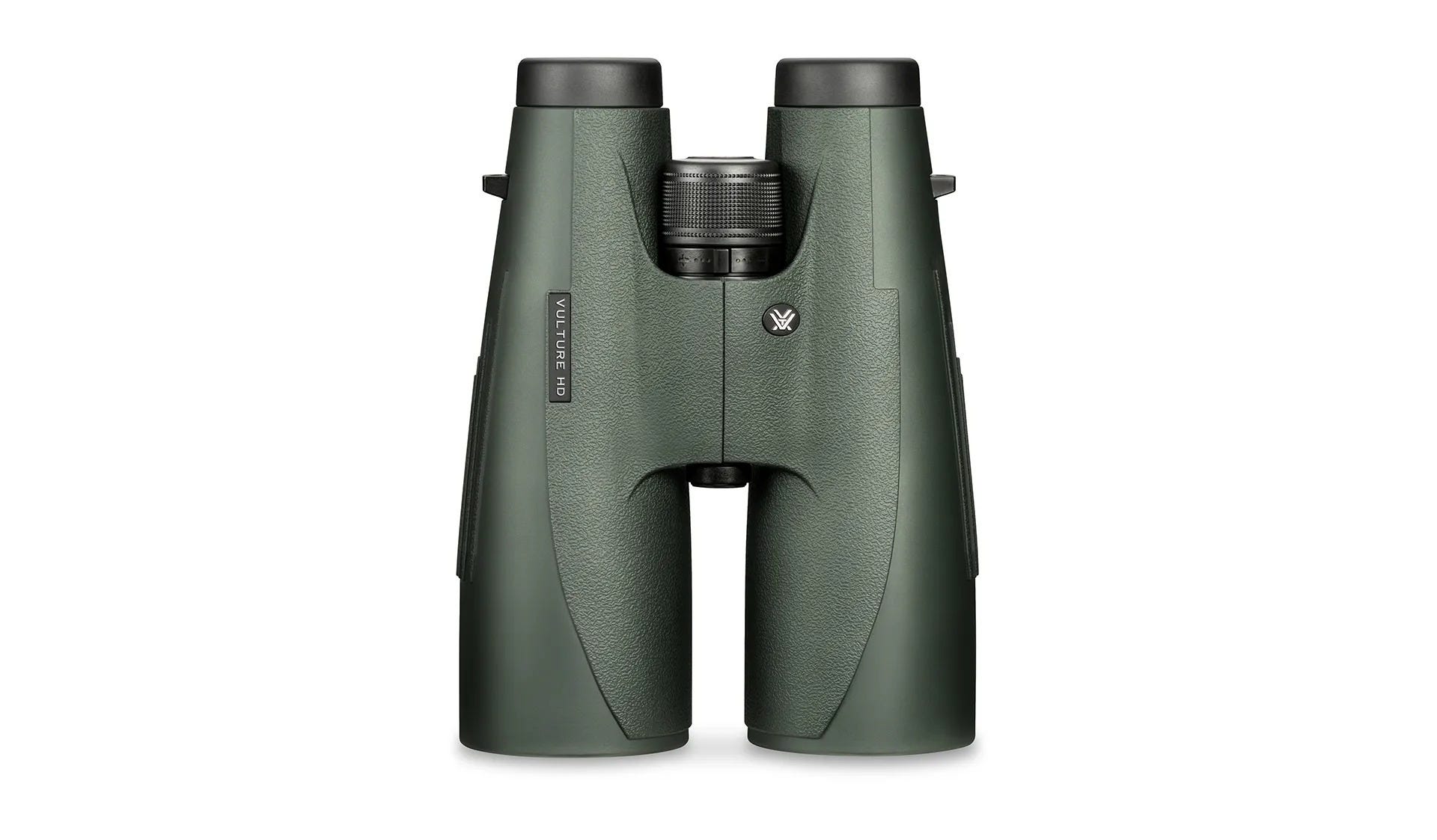
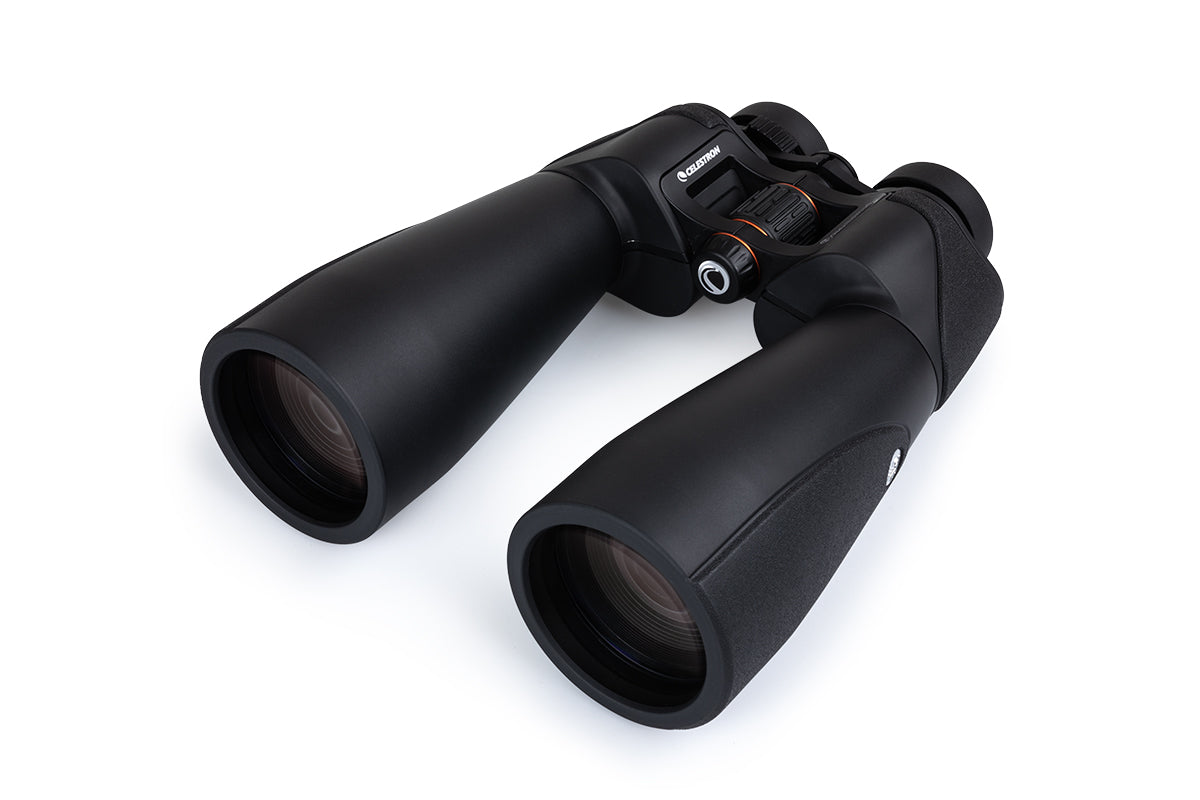
For exact 15x, a supported 56 mm field binocular and a 70 mm astronomy configuration create different carry and setup choices. The Vortex Vulture HD 15x56 weighs 43.6 oz, publishes a 4.3° field and includes its adapter; the Celestron SkyMaster Pro ED 15x70 weighs 73.7 oz, publishes 4.4° and requires a separate adapter, but adds confirmed ED glass and standard astronomy-filter threads. The exact 15–35x70 zoom also qualifies at its 15x low end; it is a variable-power alternative, not a fixed 15x model.
- The magnification selection is 15x; fixed-power models and zoom ranges that include 15x remain distinct.
Comparison updated 29 October 2026.
Fifteen power spans field observation and astronomy setup
The Vulture is the smaller of these fixed 15x examples and comes with a tripod adapter; the SkyMaster Pro ED 15x70 adds 14 mm of objective diameter, confirmed ED glass and eyepiece filter threads, at a much greater body weight. Their published real fields differ only slightly, 4.3° versus 4.4°, so the filter workflow and physical setup are more decisive than those tenths of a degree.
The zoom model is a separate choice, not an exact fixed-power substitute
Celestron's SkyMaster Zoom 15–35x70 also appears in the exact 15x matcher result because its range begins at 15x. That article covers the lever, included adapter and range-specific limits. If you do not want variable power, compare fixed models here; do not confuse the zoom's top-end magnification with the fixed 15x options.
Questions that change the choice
Which 15x model includes a tripod adapter?
The Vortex Vulture HD 15x56 lists its adapter in the SKU-specific box sheet. The Celestron SkyMaster Pro ED 15x70 requires a separate adapter. Neither standard list includes a tripod.
Does 15x on a zoom model mean it is fixed at 15x?
No. The SkyMaster Zoom spans 15–35x, so it is variable. It appears because 15x is an available endpoint, but it is not a fixed-power 15x binocular.
Which example supports astronomy filters?
Celestron documents standard 1.25-inch filter threads on the SkyMaster Pro ED 15x70 and directs users to fit filters on both eyepieces. This is not a direct-solar filter system.
Sources for the comparison