Binoculars · Choose by your needs
20x binoculars: tripod system or fork-mounted telescope
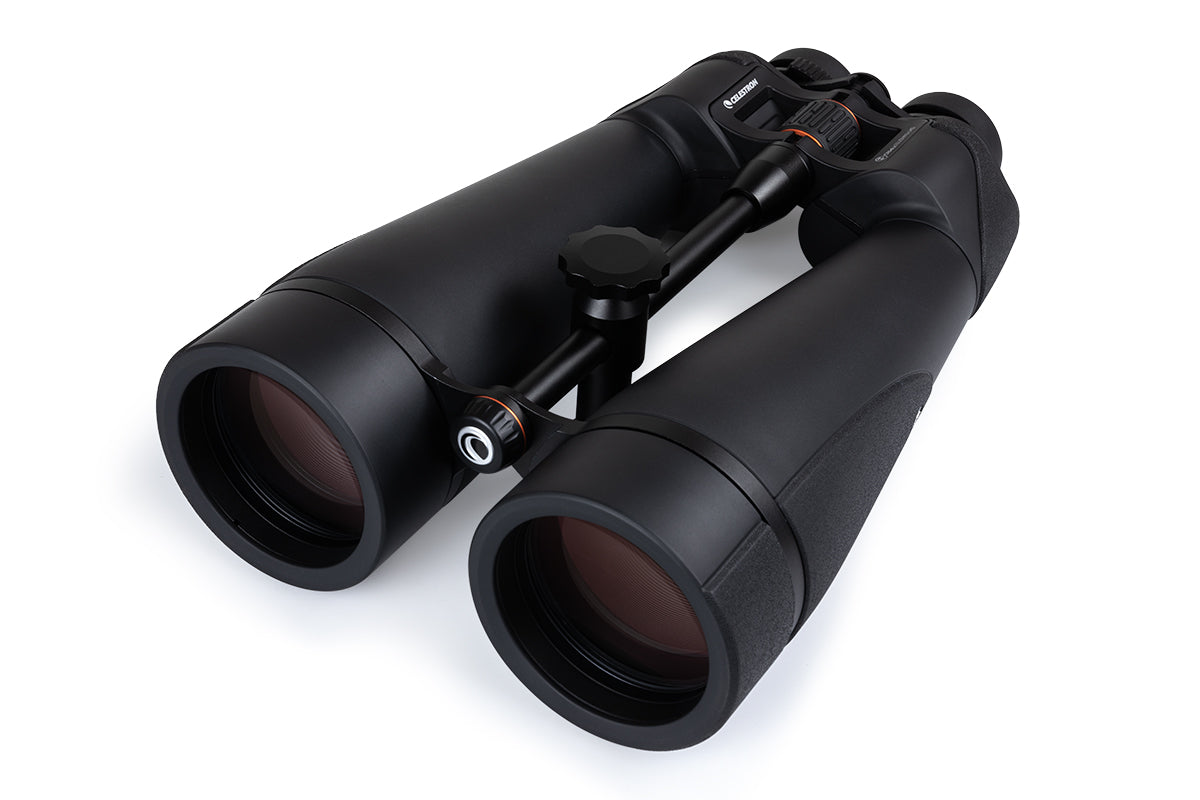
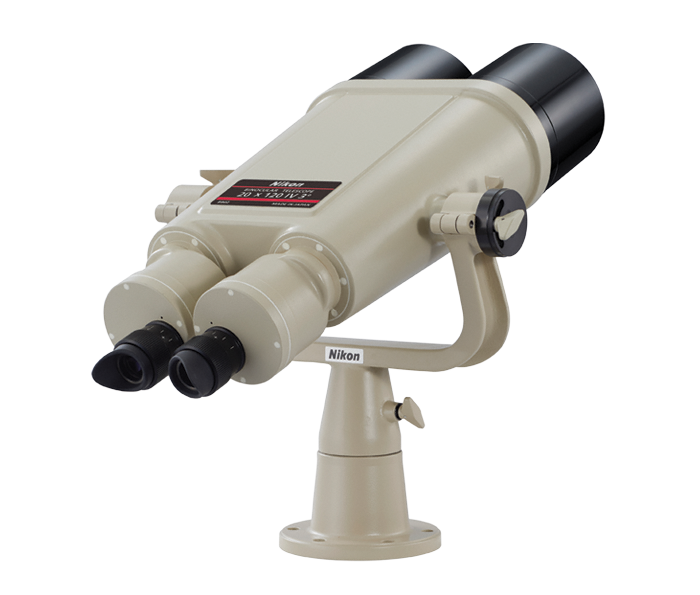
For 20x, compare the system you can install, not just the magnification. The Celestron SkyMaster Pro ED 20x80 weighs 123.2 oz and has an integrated tripod-adapter rod; the Nikon Binocular Telescope 20x120 IV is a 493.8 oz body with a 194 oz fork that must be bolted to a prepared base. Their published real fields are 3.4° and 3.0°, respectively. Neither is an ordinary handheld walking binocular.
- Fixed 20x magnification; ordinary viewing, not direct solar use.
Comparison updated 29 October 2026.
Twenty power does not define the complete mount
The 20x80 is a large binocular with an integrated adapter rod for a separate tripod. Nikon's 20x120 IV is sold as a dedicated fork-mounted binocular telescope; its fork must be attached to a prepared base. Choose only after accounting for the mounting hardware and installation as well as the instrument body.
Compare like field measures and complete mass
The Celestron lists a 3.4° real field and 123.2 oz body; Nikon lists 3.0° real field and 493.8 oz body. Nikon's shared manual separately lists a 194 oz fork, while Celestron's built-in adapter rod does not supply a tripod. These real-field specifications describe scene width, not optical quality.
Questions that change the choice
Can I hand-hold either 20x example?
Neither is a practical everyday walking pair by the documented setup. The 20x80 is a 123.2 oz instrument intended for a separate tripod; the 20x120 IV is a much heavier fork-mounted telescope.
Does the 20x80 include a tripod?
No. Its integrated adapter rod supplies a connection; the tripod remains separate.
Is the 20x120 fork just a regular adapter?
No. Nikon's manual specifies a fork secured to a prepared base using six matching 12 mm holes.
Sources for the comparison