Binoculars · Choose by your needs

Binoculars with confirmed 1.25-inch astronomy-filter threads

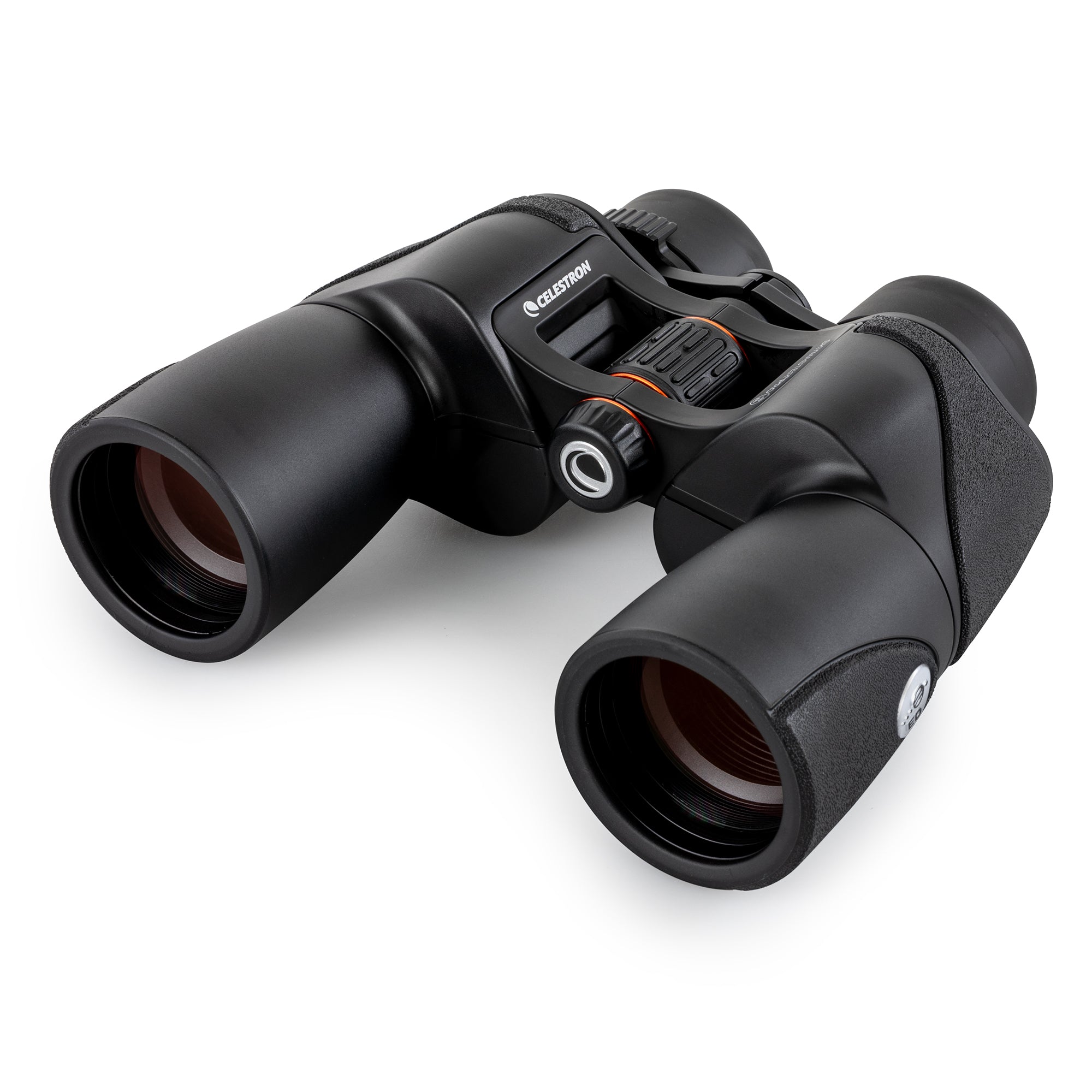
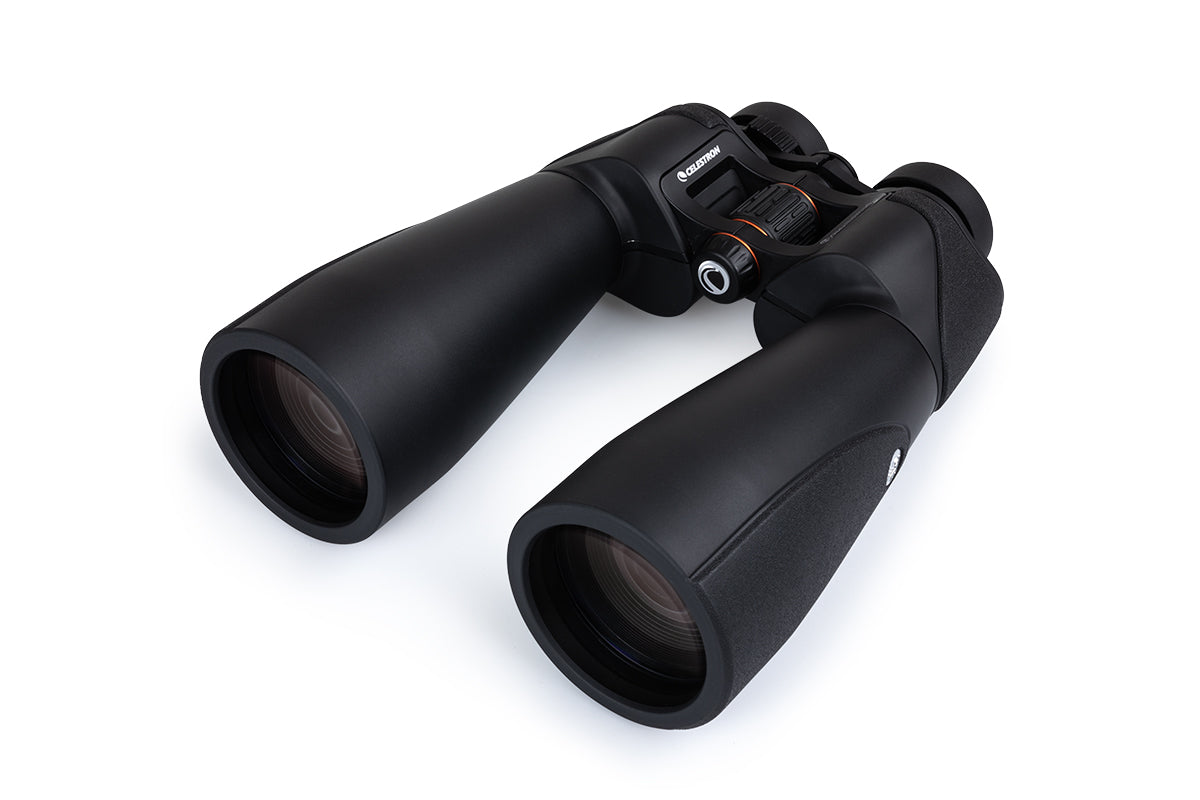
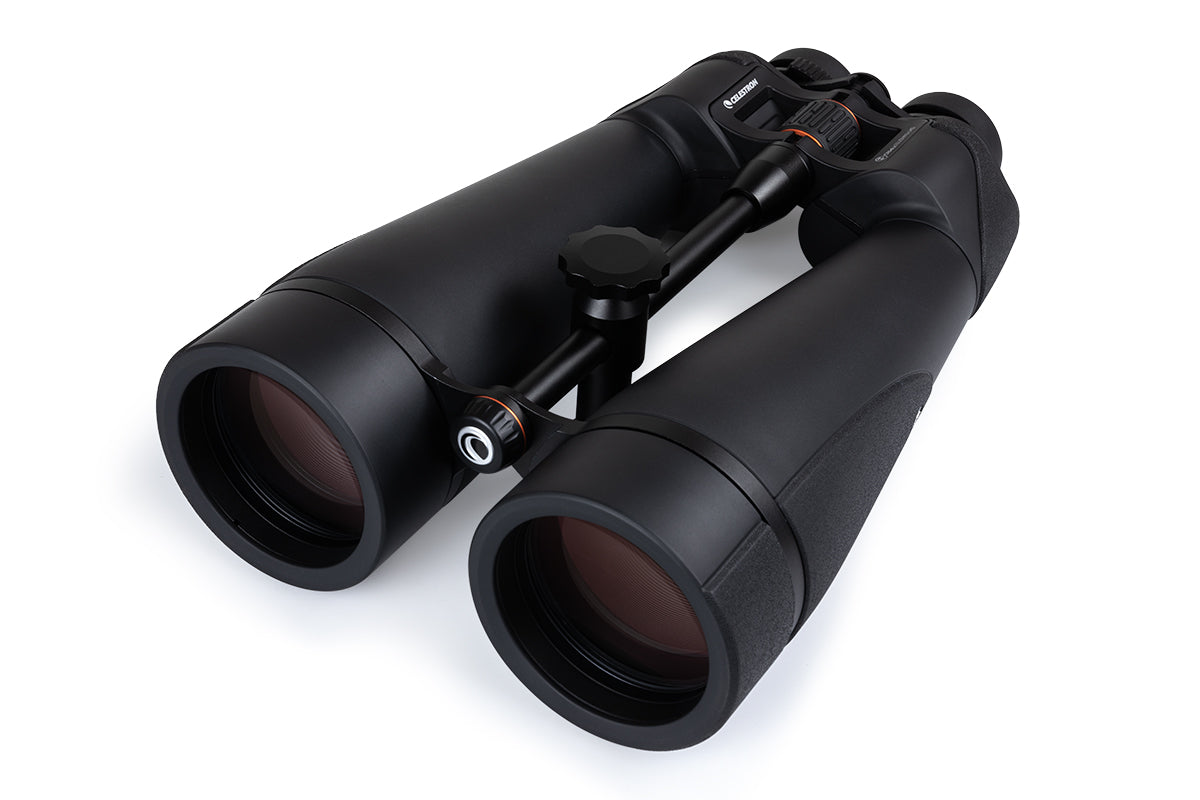
For standard 1.25-inch astronomy filters, the exact confirmed matches are Celestron SkyMaster Pro ED 7x50, 15x70 and 20x80. Pick 7x50 for the broadest 7.8° scene and lowest mass (44.3 oz); choose 15x70 for 15x with a 4.4° field; choose 20x80 for 20x, accepting a 123.2 oz instrument and 3.4° field. These are eyepiece astronomy threads, not direct-solar filters.

  • Ordinary astronomy viewing with standard 1.25-inch astronomy-filter-compatible eyepieces confirmed.

Comparison updated 29 October 2026.

Compare the differences that matter

ModelExact modelPower / real fieldInstrument weightTripod and filter note
Celestron SkyMaster Pro ED 7x50
Celestron SkyMaster Pro ED 7x50mm Porro Binoculars (item 72033)
SkyMaster Pro ED 7x507x; 7.8°44.3 oz1.25-inch threads; adapter 93524 separate
Celestron SkyMaster Pro ED 15x70
Celestron SkyMaster Pro ED 15x70mm Porro Binoculars (item 72034)
SkyMaster Pro ED 15x7015x; 4.4°73.7 ozThreads confirmed; adapter separate
Celestron SkyMaster Pro ED 20x80
Celestron SkyMaster Pro ED 20x80mm Porro Binoculars (item 72035)
SkyMaster Pro ED 20x8020x; 3.4°123.2 ozThreads and integrated balance rod

Why choose each option?

Astronomy threads are not solar safety equipment

The Pro ED manual describes standard filter-compatible eyepieces and specifies fitting filters to both eyepieces. This is different from a purpose-built solar filter mounted over the objectives; do not point an ordinary astronomy-filtered binocular at the Sun. If direct solar viewing is required, choose the separate purpose-built solar-viewing answer.

Questions that change the choice

Do all three have the same support package?

No. The 7x50 and 15x70 require a separately acquired adapter; the 20x80 has an integrated adapter rod. A tripod is not confirmed as supplied.

Can eyepiece astronomy filters be used instead of front solar filters?

No. They are different interfaces and purposes. The exact Pro ED binoculars are not direct-solar models; use only purpose-built solar equipment intended for the instrument and never treat a standard astronomy filter as solar protection.

Sources for the comparison

Does another requirement change your choice?