Binoculars · Choose by your needs

32 mm binoculars: compare 8x and 10x ED models

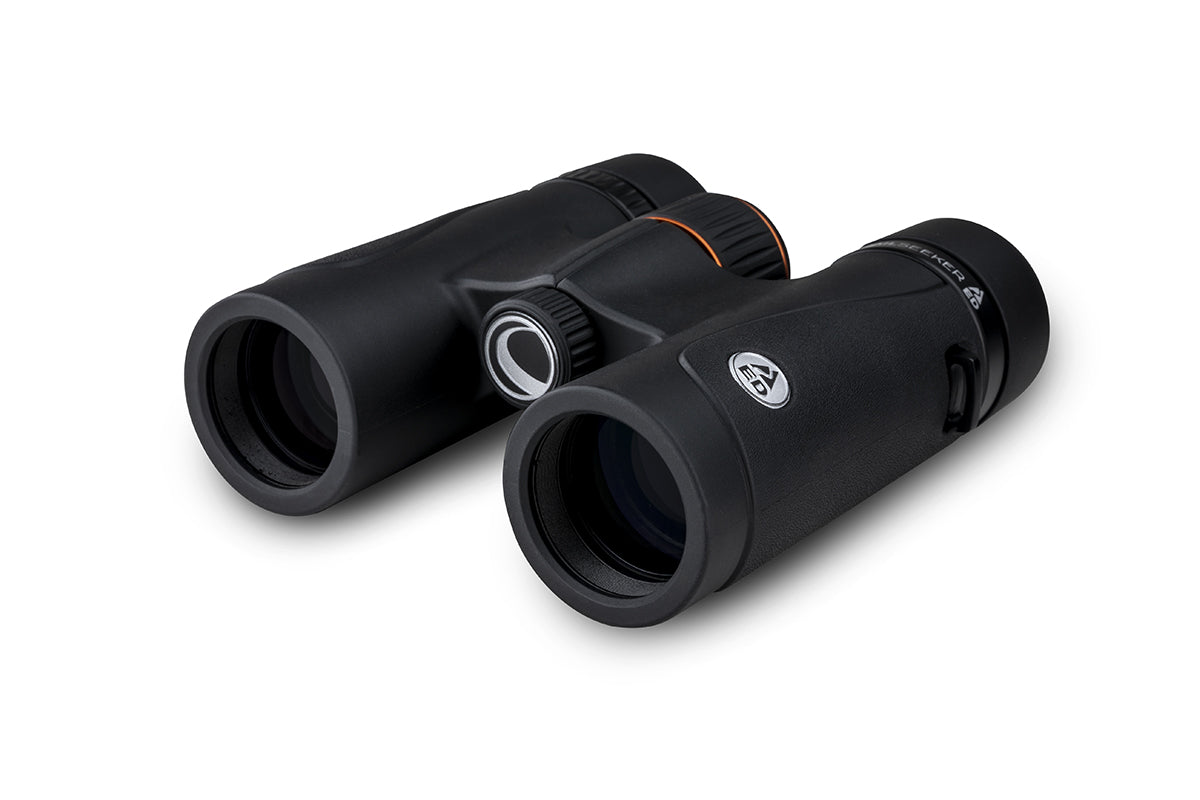
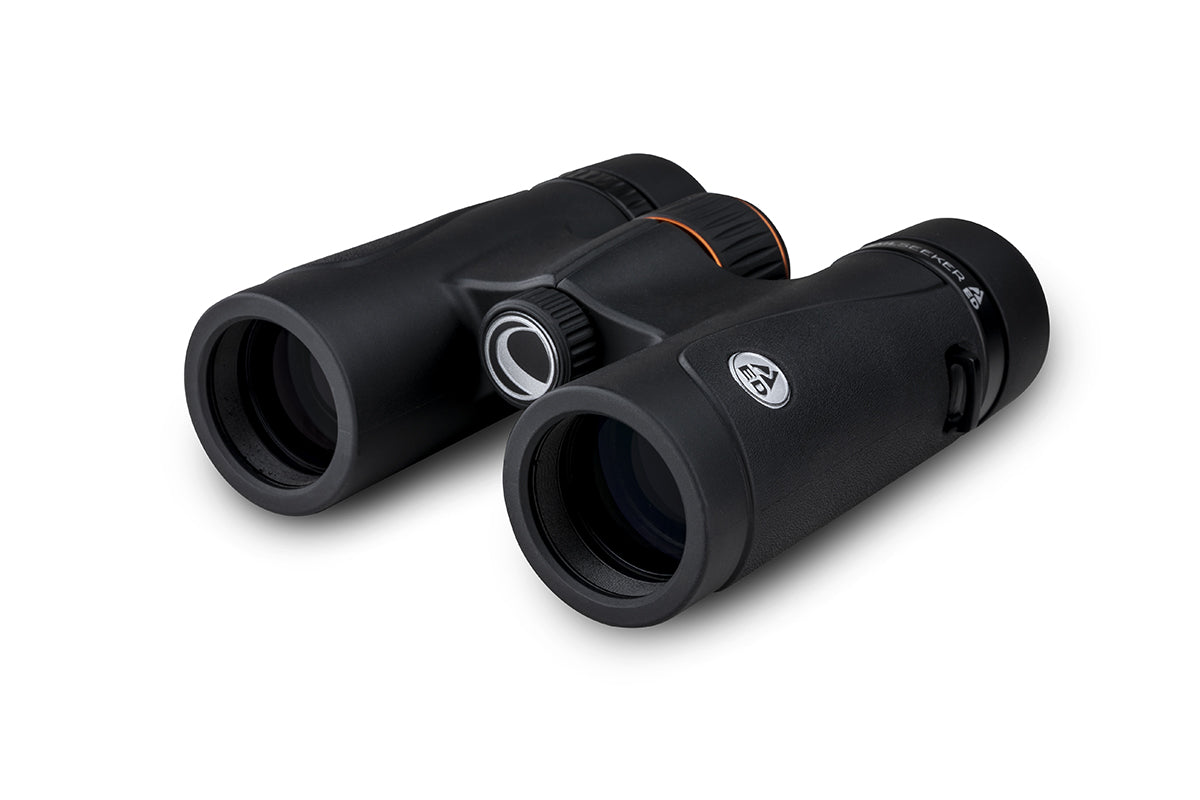
For a 32 mm objective, Celestron's TrailSeeker ED 8x32 is the wider-scene choice at a listed 7.8° real field; the 10x32 raises fixed power but narrows that field to 6.2°. Both list 17.6 oz, confirmed ED glass and tripod compatibility with a separate adapter, so choose by framing and eye fit rather than treating ED as a performance ranking.

  • Ordinary viewing with exactly 32 mm objectives; both featured models are exact ED variants.

Comparison updated 29 October 2026.

Compare the differences that matter

ModelModelPower and real fieldEye relief / weightMount and optics note
Celestron TrailSeeker ED 8x32 (71401)
Celestron TrailSeeker ED 8x32mm Roof Binoculars (item 71401)
TrailSeeker ED 8x32 (71401)8x; 7.8° / 410 ft per 1,000 yd15.6 mm; 17.6 ozED confirmed; adapter separate
Celestron TrailSeeker ED 10x32 (71403)
Celestron TrailSeeker ED 10x32mm Roof Binoculars (item 71403)
TrailSeeker ED 10x32 (71403)10x; 6.2° / 326 ft per 1,000 yd14.4 mm; 17.6 ozMore power; adapter separate

Why choose each option?

Compare other models meeting these requirements

A size preference does not pick power

Use the exact 8x or 10x page when that power is already a firm preference; this 32 mm answer intentionally keeps magnification open. Manufacturer-confirmed ED glass identifies a material, not a measured ranking of image quality.

Questions that change the choice

Does the 32 mm aperture make these models equally bright?

No. The 8x32's listed exit pupil is 4.0 mm and the 10x32's is 3.2 mm; those are geometric specifications, not a guarantee of observed brightness.

Can I put either on a tripod without buying anything else?

The exact pages confirm tripod adaptability but list the binocular adapter as a separate item. A tripod itself is not confirmed as supplied.

Sources for the comparison

Does another requirement change your choice?