
On this page
Your needs, this model
Does it fit your priorities?
Do you prefer 12x50 reach and can you accept a heavier binocular and narrower field?
The exact Leupold part 187992 page lists 12x50, a 278 ft / 5.3° field at 1,000 yd and 29.2 oz instrument weight. Its 12x magnification exceeds its 10x42 sibling, while the published field is narrower; it is a design comparison, not a lab test.
Explore this need in the finder →Can you accept 29.2 oz and 15.5 mm listed eye relief for the 12x50 objective and magnification?
The exact 187992 page lists 29.2 oz and 15.5 mm eye relief. It passes a 30 oz ceiling and a 15 mm eye-relief screen, but it fails a 28 oz maximum; a stated eye-relief value does not guarantee glasses fit.
Explore this need in the finder →Does a 7.2 ft published closest-focus distance meet your maximum?
The exact 187992 page lists 7.2 ft close focus. This is within an eight-foot maximum but outside a strict seven-foot limit. It is not a near-focus specialist.
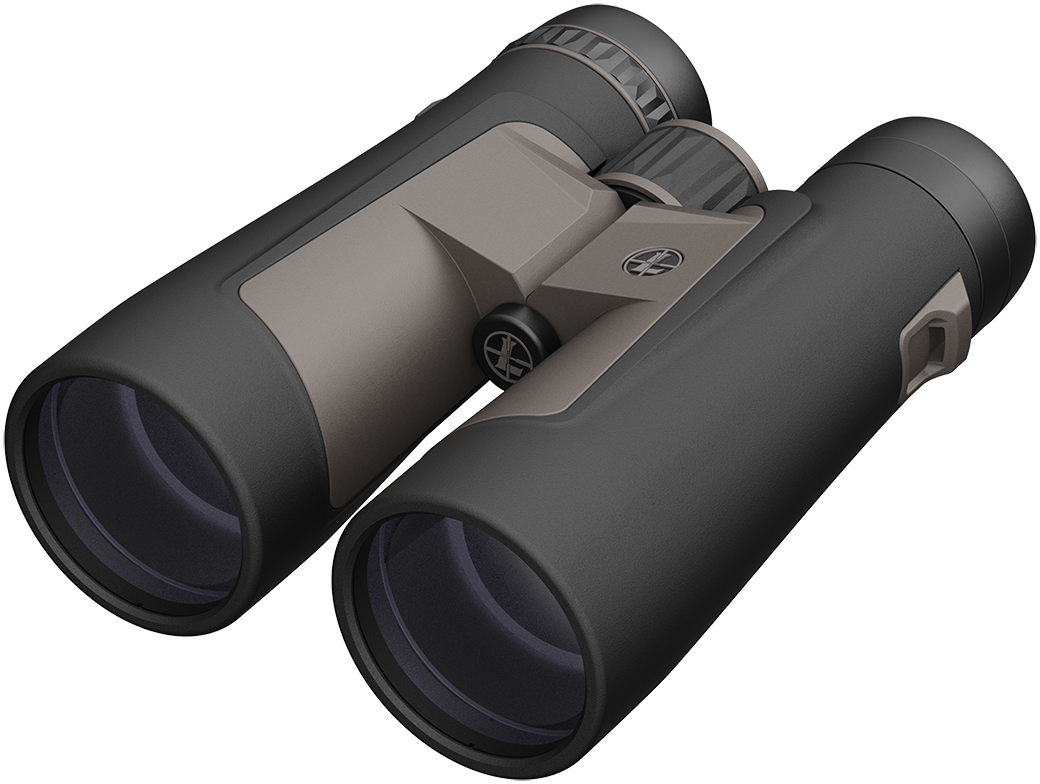
Explore this need in the finder →The Leupold BX-3 Alpine HD 12x50 (part 187992) is the higher-power member of the family, with a 50 mm objective and a listed instrument weight of 29.2 ounces. The exact page lists a 278-foot field at 1,000 yards, a 5.3-degree real field and a 4.2 mm exit pupil. It suits a buyer who values 12x reach over a wider scanning view and can manage a heavier binocular or support it steadily.
More magnification, with a narrower scene
Compared with the BX-3 Alpine HD 10x42, this 12x50 magnifies farther targets more, but its published field is 64 feet narrower at 1,000 yards. That difference matters while searching brush, tracking a moving bird or scanning a hillside: the 10x42 shows more of the scene at once and is easier to sweep without losing the subject. Higher power also makes hand movement more apparent. If you use binoculars mostly while standing or walking, the 10x42 is the more forgiving place to start; if you glass stationary terrain, the 12x50 can make distant details more prominent, provided your hands or mounting setup hold it steady.
The 50 mm objectives are larger than the sibling’s 42 mm objectives, but “larger lens” should not be translated automatically into “brighter image.” Leupold lists a 4.2 mm exit pupil for the 12x50 and 4.1 mm for the 10x42. Pupil size, viewing conditions, eye position and the instrument’s optical system all matter; the numbers alone cannot predict perceived brightness or edge quality. Leupold describes its Elite Optical System as intended for dawn-to-dusk transmission and glare control, but we have not independently measured this model.
Weight, eye relief and close focus
At 29.2 ounces and 6.4 inches long, the 187992 asks for more carry room than the 22.6-ounce, 5.7-inch 10x42. The extra 6.6 ounces may be acceptable in a vehicle, blind or glassing pack, but it is a real difference for a day-long walk. If weight is a hard limit, compare the manufacturer-listed instrument figures before considering strap, case or adapter weight; packed weight is not documented here.
Leupold lists 15.5 mm eye relief, a 7.2-foot close-focus distance and a 58–74 mm interpupillary range. Those values make this less suited than the 10x42 for someone whose requirements demand at least 16 mm eye relief, a closer focusing point or a minimum hinge setting below 58 mm. The low Form-Fit eyecup is described as designed for glasses, but a number cannot guarantee a complete view through every frame. Try the exact binocular with the intended glasses and adjust the eyecups and hinge before committing. The linked owner’s manual covers IPD and focusing setup, but its generic diagrams do not establish every component or eyecup included in this SKU’s retail package.
Tripod use and outdoor limits
The exact product page identifies a built-in 1/4-20 rotatable tripod adapter port and calls the binocular tripod-ready. That is useful at 12x: a compatible support can reduce the effect of hand movement while you study a distant scene. The page does not confirm a separate adapter or tripod in the box, so check those items independently. The port is not the same thing as a complete support kit.
Leupold describes the BX-3 Alpine HD as waterproof and fogproof, with a magnesium chassis, rubber armor and a Guard-Ion hydrophobic lens coating. Those are relevant for ordinary outdoor weather and easier lens care. The manufacturer page gives no numeric immersion depth, duration or IP rating, so neither model should be presented as an underwater optic. A water-shedding coating does not eliminate sensible handling: remove loose grit before wiping and follow the owner’s manual rather than rubbing debris across the coated surfaces.
Who should shortlist 187992?
Consider this exact configuration for open-country or stationary observation when 12x power, 50 mm objectives and adapter-based tripod support are more important than a wide field and low carry weight. It is not the universal upgrade over the 10x42: the sibling scans a broader scene, weighs 6.6 ounces less and lists slightly longer eye relief. For fast tracking, hiking or shared use by people with different face fits, that trade can favor the smaller model. For more distant details, a fixed viewing position and a user comfortable with its weight, 12x can be the more sensible choice.
The BX-3 name’s “HD” wording is not evidence that this specific model uses ED glass; the product page describes High-Definition lenses but does not identify ED glass. Treat ED, prism coating, numerical waterproof rating and exact package contents as unconfirmed unless a SKU-specific document resolves them. For an essential requirement, unknown is not a match. Compare the 10x42 review before deciding that the larger objective alone determines your answer.
Leupold publishes a lifetime guarantee and provides a “Where to Buy” path, but neither verifies current inventory at a particular retailer. Search the actual “Leupold BX-3 Alpine HD 12x50 binocular 187992” term; no exact retail ASIN was confirmed. No personal ownership or sample test is claimed here.
Manufacturer sources: exact BX-3 Alpine HD 12x50 page, its linked Binocular Owner’s Manual, and the BX-3 family introduction. Published specifications and manufacturer descriptions are not independent test results.
Key specifications
Key details at a glance
| Magnification | 12× |
|---|---|
| Objective diameter | 50 mm |
| Real field of view | 5.3° |
| Eye relief | 15.5 mm |
| Exit pupil | 4.2 mm |
| Close focus distance | 7.2 ft |
More specifications and setup details
| Manufacturer-published weight | 29.2 oz |
|---|---|
| Lens and prism coatings | The exact page names Leupold’s Elite Optical System, High-Definition lenses and Guard-Ion hydrophobic coating. It does not identify ED glass or confirm roof-prism phase/dielectric coatings for this exact model. |
| Water and fog protection | Leupold publishes waterproof and fogproof claims; no numeric depth, duration or IP rating was found on the exact page. Do not infer underwater use. |
| Tripod use | Exact page confirms a built-in 1/4-20 rotatable tripod adapter port and tripod-ready use. It does not confirm a separate adapter or tripod in the standard package; identify the compatible adapter and kit contents before making support essential. |
| Published weight note | Exact manufacturer page-listed instrument weight; carry system, strap, eyecups/covers, case and any mounting adapter add weight. No independent weighing was performed. |
| Manufacturer-rated waterproof | Yes |
| Built-in image stabilization confirmed | No |
| Integrated laser rangefinder | No |
| Onboard ballistic solution display | No |
Use the exact model’s instructions for operating limits, supplied equipment and version differences.
Sources for this review
Sources for this assessment
- Leupold exact U.S. BX-3 Alpine HD 12x50 product page, part 187992
- Leupold Binocular Owner’s Manual, linked from the exact BX-3 product page; shared two-page manual, not SKU-specific
- Leupold BX-3 Alpine HD launch article (May 13, 2026)
- Leupold official U.S. binocular directory page 1; exact BX-3 row at page 1 position 6
- Leupold official U.S. binocular directory page 2; pagination snapshot
- Leupold official U.S. binocular directory page 3; captured pagination response has no distinct product links
- Official product image linked from the exact Leupold part 187992 page
- Dated exact-model-name SaferProducts.gov/CPSC query; empty response is not universal recall clearance

Choose your optical trade-off first.
Choose viewing purpose first, then magnification, objective size, scene width and any fit, weather or mounting constraint. A direct-Sun requirement is separate: only exact manufacturer-confirmed solar binoculars can pass it.